






Intrinsic vs Extrinsic Stains: Key Differences Explained for Teeth Whitening (2026 Guide)
Understand the critical differences between intrinsic and extrinsic tooth stains. This comprehensive 2026 guide explains how to identify your stain type and choose the most effective professional-grade teeth whitening solutions.
- What is the Difference Between Intrinsic vs Extrinsic Stains?
- Quick Summary & Key Takeaways
- Extrinsic Tooth Stains: Causes and Characteristics
- Intrinsic Tooth Stains: Causes and Characteristics
- 2026 Trends: Advanced Biotechnology in Whitening Treatments
- Industry Solution: How Double White Supports Products for Different Stain Types
- Data Comparison Table: Intrinsic vs Extrinsic Stains
- Expert Tips and Common Mistakes in Teeth Whitening
- Choosing the Right Products: Custom Kits, Pens, and Strips
- Conclusion
- FAQs About Intrinsic vs Extrinsic Stains
- Can intrinsic stains be removed at home?
- What foods cause the most extrinsic tooth stains?
- Do teeth whitening strips work on intrinsic stains?
- Why are my teeth turning gray instead of yellow?
- How long does it take to remove extrinsic stains?
- Does charcoal toothpaste help with intrinsic discoloration?
- What is the best whitening gel for deep dentin stains?
- Are intrinsic stains permanent without dental veneers?
What is the Difference Between Intrinsic vs Extrinsic Stains?
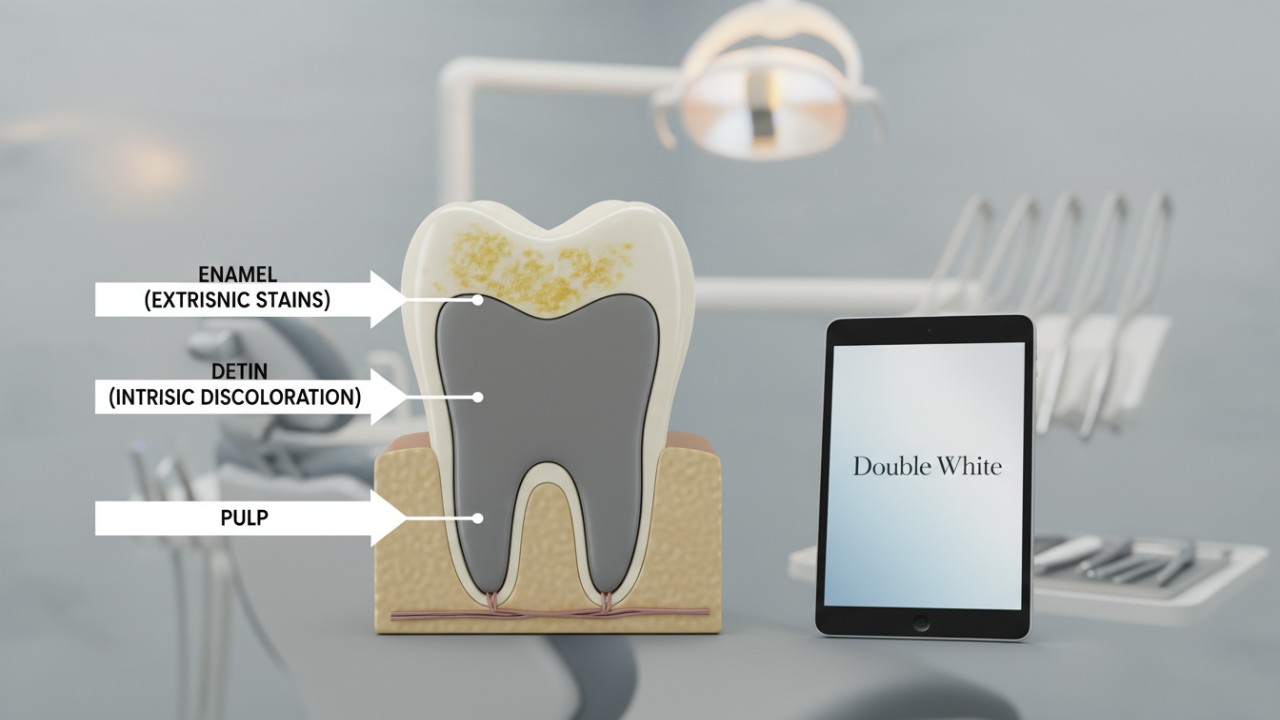
Extrinsic stains occur on the outer layer of the tooth (enamel) and are typically caused by food, drink, or tobacco. Intrinsic stains develop deep within the inner structure of the tooth (dentin) due to trauma, aging, medication, or excessive fluoride. Treating them requires different whitening approaches.
Identifying your stain type is the crucial first step to achieving a brighter, healthier smile. The core distinction between Intrinsic vs Extrinsic Stains dictates the entire strategy you must take for effective cosmetic treatments. While one sits safely on the surface and is easily reachable, the other is embedded within the microscopic tubules of the tooth structure itself. Treating the wrong stain with the wrong product leads to frustration and potential enamel damage.
- Location: Extrinsic discoloration resides entirely on the exterior enamel; intrinsic discoloration is rooted deeply within the porous dentin layer.
- Response to Treatment: Extrinsic stains respond quickly to standard whitening formulas; intrinsic stains demand advanced, highly penetrating active ingredients.
- Prevention Strategies: Extrinsic stains can be managed with daily oral hygiene and lifestyle adjustments, whereas intrinsic stains are generally the result of systemic, historical, or trauma-related events.
Quick Summary & Key Takeaways
Extrinsic stains are surface-level and highly responsive to standard whitening gels, while intrinsic stains are deep-seated and require advanced penetrating peroxide formulas. Professional-grade biotechnology in modern whitening kits effectively bridges the gap between at-home convenience and clinical-level results.
Understanding these distinct categories is vital before diving into our comprehensive 25 Shocking Yellow Teeth Cause list, as it helps you properly categorize the root of your aesthetic dental problems. By recognizing the differences early, you save time and protect your oral health.
- Extrinsic Stains: Surface-level, usually yellow or brown, highly responsive to standard whitening gels and strips.
- Intrinsic Stains: Deep-seated, often gray or bluish, requires advanced penetrating peroxide formulas or cosmetic alternatives.
- The 2026 Solution: Scientifically advanced professional teeth whitening kits can now tackle complex discoloration that previous generations of at-home products simply could not reach.
Extrinsic Tooth Stains: Causes and Characteristics
Extrinsic stains are external discolorations caused by the accumulation of pigmented residue on the porous outer enamel of the teeth. These stains are primarily driven by lifestyle choices, dietary habits, and oral hygiene practices over an extended period of time.
Treating enamel surface stains is the most common reason people seek cosmetic whitening treatments today. The exact biochemical mechanism involves chromogens (highly pigmented chemical compounds) and tannins (astringent plant polyphenols) aggressively binding to the outer layer of the tooth. In fact, as reported by Wikipedia, regular consumption of deeply colored items like red wine, coffee, and tea, as well as the use of tobacco products, leads to the heavy accumulation of staining pigments on the tooth surface over time.
- Dark Beverages: Coffee, black tea, and red wine contain potent tannins that easily latch onto the microscopic pores of your teeth.
- Tobacco Use: Smoking or chewing tobacco leaves sticky tar and nicotine residues that quickly oxidize and turn brown or yellow.
- Poor Oral Hygiene: Plaque buildup acts as a sticky magnet, significantly exacerbating surface discoloration by trapping food particles against the enamel.
Intrinsic Tooth Stains: Causes and Characteristics
Intrinsic stains occur inside the tooth when the inner layer, known as the dentin, becomes discolored. Because these stains are embedded deep within the tooth’s internal structure, they cannot be scrubbed away with traditional brushing or mild surface-level whitening treatments.
Dentin discoloration can visually manifest in opaque shades of gray, blue, or deep yellow. Unlike manageable surface stains, these internal discolorations often stem from historical medical treatments or systemic issues during childhood development. As reported by WebMD, intrinsic stains can be caused by certain medications like tetracycline, dental trauma, genetics, or excessive fluoride ingestion during early tooth development.
- Medications: Childhood exposure to tetracycline antibiotics causes distinct, stubborn horizontal gray banding within the teeth.
- Fluorosis: Overexposure to excessive fluoride during early childhood creates chalky white or brown intrinsic spots across the dentition.
- Dental Trauma: A physical blow to a tooth can cause internal bleeding or a necrotic (dead) nerve. In severe cases of a dead nerve, targeted non-vital tooth bleaching by a dental professional is mandatory.
- The Aging Process: As we age, the bright white enamel naturally thins due to wear and tear, revealing the naturally yellowish dentin underneath.
2026 Trends: Advanced Biotechnology in Whitening Treatments
The 2026 trend in whitening treatments focuses heavily on advanced biotechnology that replaces highly abrasive pastes with scientifically formulated gels. These modern systems deliver deep-penetrating active ingredients to combat both surface stains and stubborn internal discoloration safely.
Historically, over-the-counter products struggled to address intrinsic stains, leaving a massive market gap between cheap pharmacy strips and expensive in-chair dental procedures. Today, the focus is on a highly optimized teeth whitening gel formulation. Modern innovations prioritize low-sensitivity, enamel-safe chemical reactions that can reach the dentin without causing microscopic structural damage.
- Deeper Penetration: Micro-active peroxide molecules are now designed to safely pass through the enamel matrix to lighten the underlying dentin.
- Low Sensitivity Formulas: Added desensitizing agents, such as potassium nitrate and remineralizing hydroxyapatite, ensure total comfort during the oxidation process.
- Consumer Paradigm Shift: There is a massive transition toward clinical-grade, high-efficiency at-home whitening kits, rendering many older, purely abrasive treatments obsolete.
Industry Solution: How Double White Supports Products for Different Stain Types
-
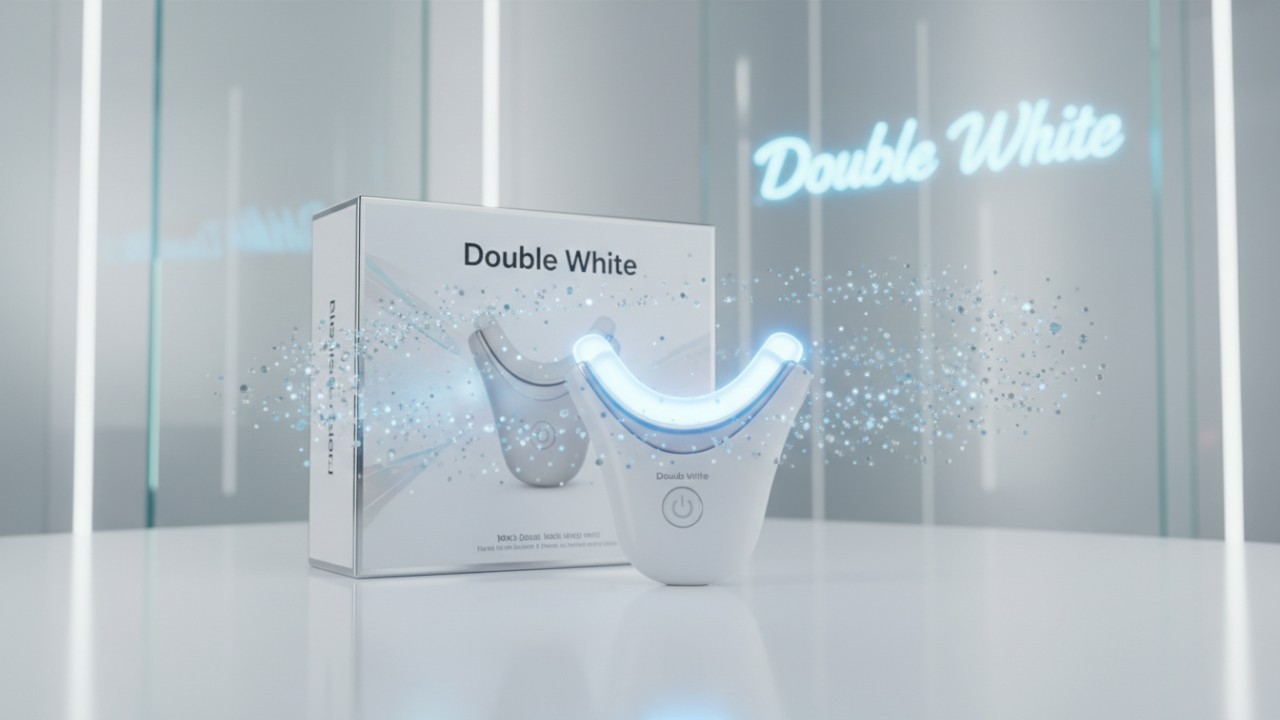
Double White Medical Technology Development (Guangzhou) Co., Ltd. supports brands in developing teeth whitening products designed to address both extrinsic and intrinsic staining through appropriate formulation strategies.
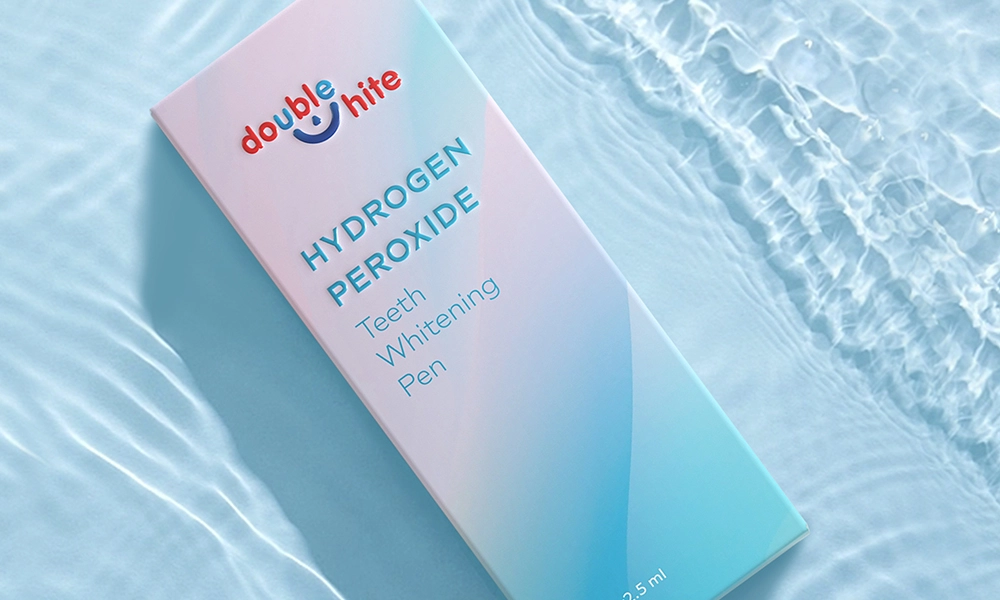
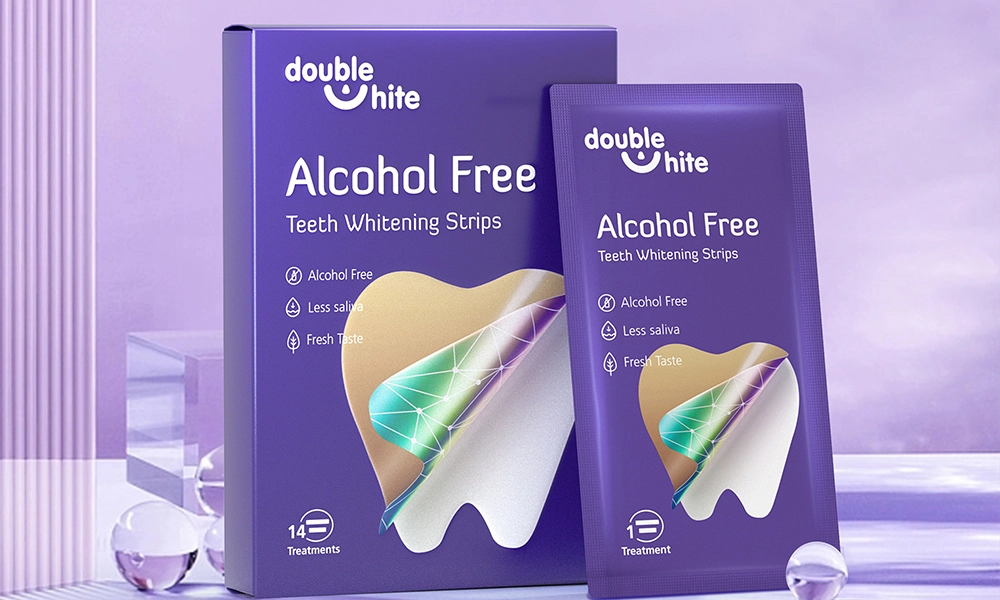
Rather than emphasizing consumer-facing claims, the company focuses on formulation development and scalable manufacturing. Its product range—including whitening strips, gels, and pens—can be developed using commonly used active ingredients such as hydrogen peroxide or PAP, depending on the desired positioning and regulatory requirements of different markets.
With experience in oral care product development, Double White provides OEM/ODM and private label services that allow brands to select from ready-made formulations or create customized solutions tailored to specific consumer needs, such as surface stain removal or more intensive whitening applications.
In addition to product development, the company offers packaging customization, low minimum order quantities, and efficient production timelines. This makes it a practical partner for startups, e-commerce brands, and distributors looking to build or expand their teeth whitening product lines.
Overall, Double White’s strength lies in delivering flexible, compliant, and market-ready manufacturing solutions, rather than making exaggerated performance claims about end-user results.
Data Comparison Table: Intrinsic vs Extrinsic Stains
Understanding the specific differences between these two stain categories is essential for selecting the correct treatment. The table below outlines the primary contrasts between intrinsic and extrinsic discoloration to help you make an informed decision.
| Feature / Characteristic | Extrinsic Stains | Intrinsic Stains |
| Location | Outer layer of the tooth (Enamel) | Inner structure of the tooth (Dentin) |
| Common Causes | Coffee, tea, red wine, tobacco, poor hygiene | Aging, trauma, genetics, medications (tetracycline), fluorosis |
| Visual Appearance | Typically yellow, brown, or surface-level black | Often gray, bluish, opaque white, or deep internal yellow |
| Treatment Difficulty | Easy to moderate | Difficult; requires advanced or clinical intervention |
| Recommended Solutions | Whitening strips, standard gels, dental cleanings | Penetrating teeth whitening gel formulation, veneers, non-vital tooth bleaching |
Expert Tips and Common Mistakes in Teeth Whitening
A common mistake in teeth whitening is relying on highly abrasive over-the-counter charcoal toothpaste for deep intrinsic stains, which only scratches and damages the enamel. The best approach is to match the active ingredient concentration to your specific stain classification.
Experts from Double White’s strategic planning and research teams emphasize the utmost importance of matching the solution directly to the biological problem. Using the wrong product not only wastes your time and money but can cause permanent, irreversible damage to your tooth enamel.
- Avoid Harsh Abrasives: Charcoal and heavy baking soda pastes merely scratch the enamel and physically cannot reach intrinsic stains.
- Check Active Ingredients: Ensure your kit uses safe, clinically proven concentrations of Hydrogen Peroxide or Carbamide Peroxide based on your baseline sensitivity and stain depth.
- Maintain Your Results: Long-term results are best achieved by combining routine professional dental cleanings with high-quality at-home maintenance kits to prevent new chromogens from setting in.
Choosing the Right Products: Custom Kits, Pens, and Strips
Choosing the right whitening product depends entirely on your specific lifestyle and the underlying severity of your stains. Modern oral care series offer a variety of application methods, from intensive whitening strips to incredibly convenient daily maintenance pens.
For businesses looking to build a world-class dental brand, Double White offers a comprehensive B2B solution. Their overarching vision is to become the world's leading teeth whitening strips manufacturer, and they support commercial partners by offering highly tailored, ready-to-market product lines.
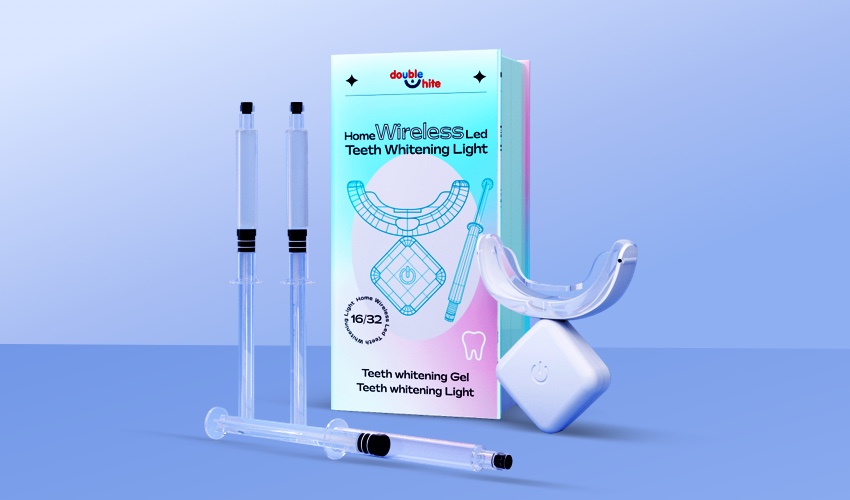
- Whitening Kits: Ideal for intensive, full-smile transformations, combining advanced LED light technology with superior gel formulations.
- Whitening Strips: Perfect for deep-action treatments that adhere flawlessly to the teeth, gradually improving mild to moderate intrinsic discoloration over time.
- Whitening Pens: Unmatched for on-the-go convenience and daily maintenance, perfect for touching up surface stains immediately after drinking a cup of coffee.
- B2B Customization: Double White provides customized formulations, bespoke packaging, and free samples for dental brands globally, ensuring a frictionless launch for new oral care products.
Conclusion
Successful teeth whitening relies heavily on properly identifying whether your tooth discoloration is an extrinsic surface stain or a deep intrinsic structural issue. By choosing scientifically backed, high-quality whitening products that utilize the latest biotechnology, you can effectively treat both types of stains while actively protecting your long-term oral health and enamel integrity. Contact us today at manager@double-white.com or visit www.double-white.fr to optimize your professional teeth whitening kits strategy.
FAQs About Intrinsic vs Extrinsic Stains
Can intrinsic stains be removed at home?
While intrinsic stains are harder to treat, advanced at-home whitening kits with professional-grade gels can significantly lighten the dentin. Severe cases may require internal bleaching by a dentist or cosmetic veneers.
What foods cause the most extrinsic tooth stains?
Dark-colored foods and beverages like coffee, black tea, red wine, soy sauce, and berries are top contributors. Acidic foods also soften enamel, making it easier for stains to set in.
Do teeth whitening strips work on intrinsic stains?
Standard drugstore strips mostly target surface stains. However, high-quality biotech strips formulated with advanced penetrating peroxide can gradually improve mild to moderate intrinsic discoloration.
Why are my teeth turning gray instead of yellow?
Yellowing is typically related to extrinsic surface stains or natural aging. Gray or bluish tints usually indicate an intrinsic issue, such as trauma to the tooth nerve or past use of certain antibiotics.
How long does it take to remove extrinsic stains?
With professional-grade kits, extrinsic stains can begin to fade in just a few days. Full results typically take 1 to 2 weeks of consistent application.
Does charcoal toothpaste help with intrinsic discoloration?
No. Charcoal toothpaste only acts as an abrasive on the surface enamel (extrinsic). It cannot penetrate the tooth to alter the color of the dentin where intrinsic stains reside.
What is the best whitening gel for deep dentin stains?
Gels containing higher, yet safe, concentrations of carbamide peroxide or hydrogen peroxide are best. Products backed by rigorous R&D, such as those from Double White, ensure optimal penetration and minimal sensitivity.
Are intrinsic stains permanent without dental veneers?
Not always. Many intrinsic stains can be vastly improved with consistent, high-quality chemical bleaching. However, in severe cases like heavy fluorosis or deep tetracycline staining, veneers or bonding might be the most effective aesthetic solution.
Answers to Teeth Whitening Questions: Analysis of Frequently Asked Questions
Intimate Care: Whitening Tips for Teeth Whitening Strips
Can Coffee Lovers Have White Teeth? Prevention Tips for Coffee Stains on Teeth (2026 Guide)
Top 10 Foods That Stain Teeth: The Worst Drinks and Foods for Tooth Discoloration
25 Shocking Yellow Teeth Causes & The 2026 Ultimate Strategy for a Brighter Smile
The Ultimate 2026 Teeth Whitening Bible: Science-Backed Methods for a Brighter Smile
About Product Choice
Can I customize special specifications or packaging?
Yes, we provide customized services, you can customize special specifications, packaging and private label etc. according to your needs.
About Recipe Customization
Are these ingredients safe?
Yes, our formulas undergo rigorous safety evaluation and testing to ensure no irritation or damage to teeth and oral tissues.
About After Sales Support
How to contact your after-sales customer service team?
You can contact our after-sales customer service team through the customer service contact information provided on our official website or the online customer service system, and we will provide you with timely help and support.
Teeth Whitening Powder
Can I customize the packaging and flavor?
Absolutely! We offer customizable packaging, flavors, and even logo design to match your brand's identity.
About Customized Services
Do you support export certification?
Yes.
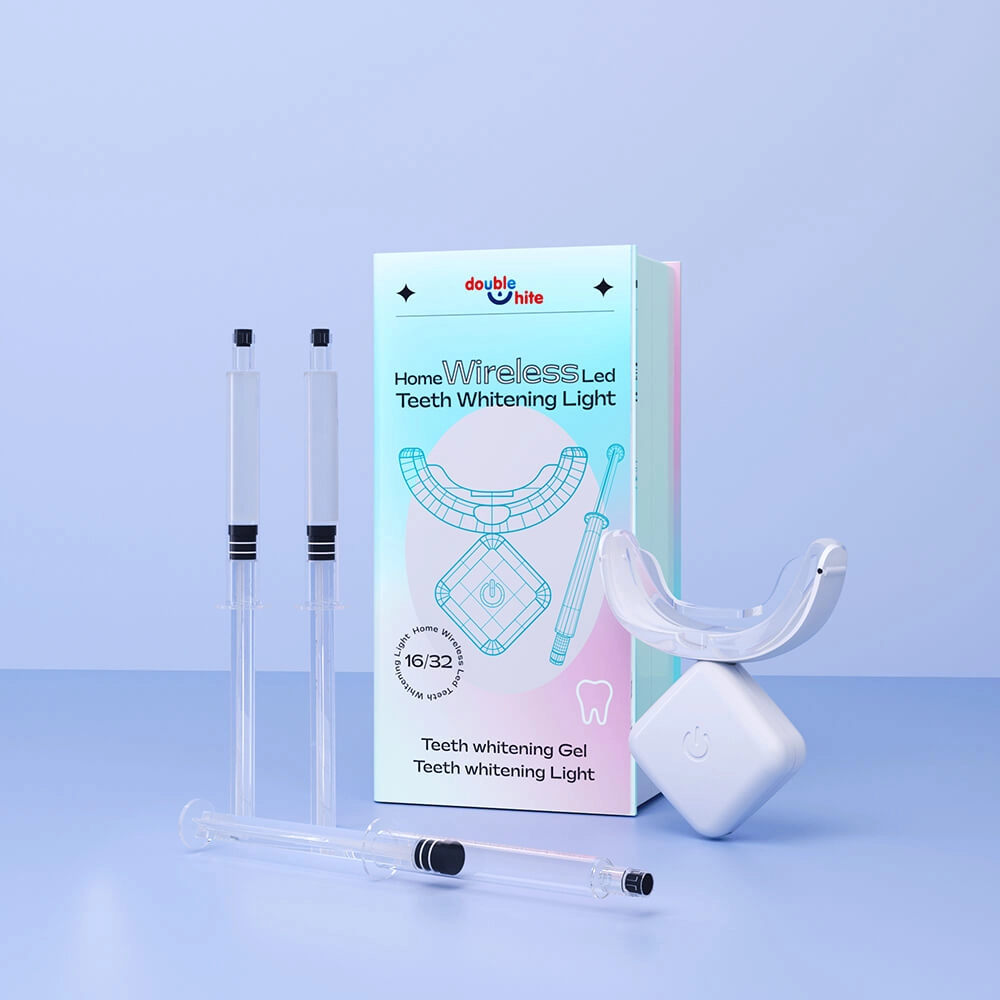
Teeth Whitening LED Home Kits
Achieve 8 shades whiter teeth in just one week, bidding farewell to stains from coffee, soda, wine, smoking, and sugary foods.Our formula gentle and effective, gluten-free, ensures that the achieved results are long-lasting.
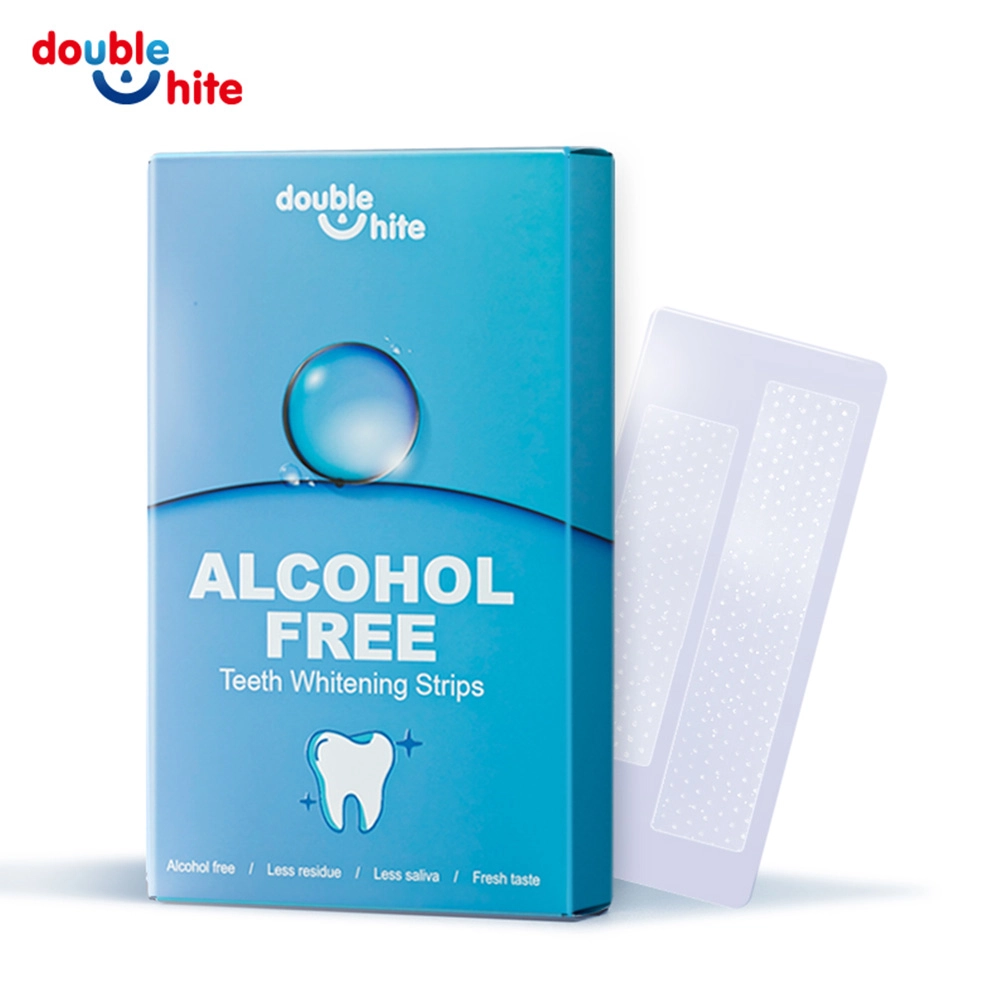
SC Non-Alcohol Teeth Whiteining Strips SCNA-01
The alcohol-free whitening strips are designed to be used morning and night and will provide 7 shades of teeth whitening results within two weeks.
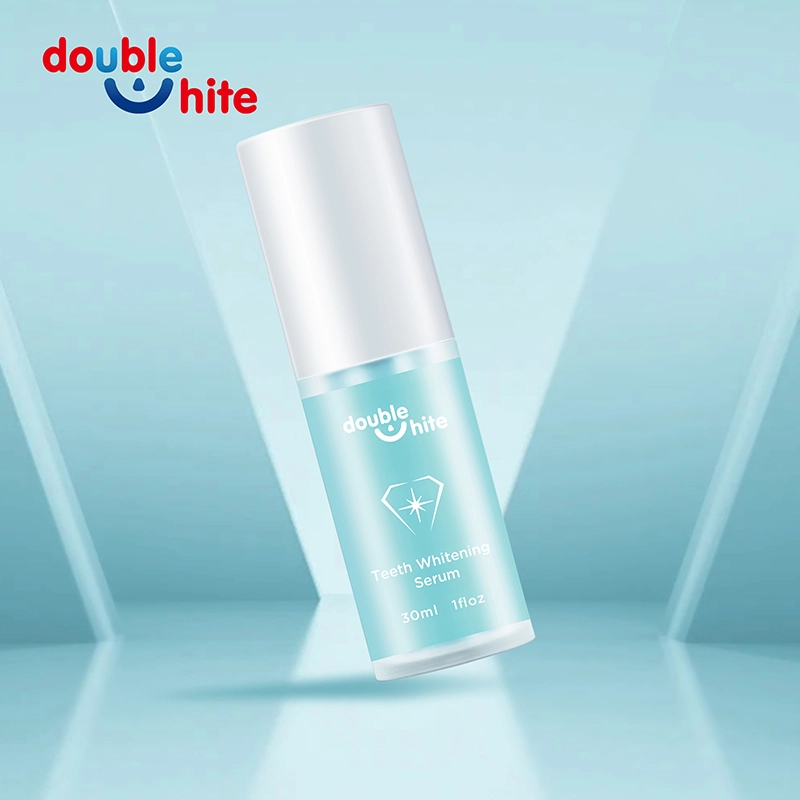
PAP Blue Flash Whitening Gel
Discover Double White’s PAP Blue Flash Whitening Gel, a powerful whitening gel designed to brighten your smile effectively. This PAP Blue Whitening Gel gently removes stains, enhancing tooth whiteness with a fast, safe formula. Ideal for a radiant, confident look every day.
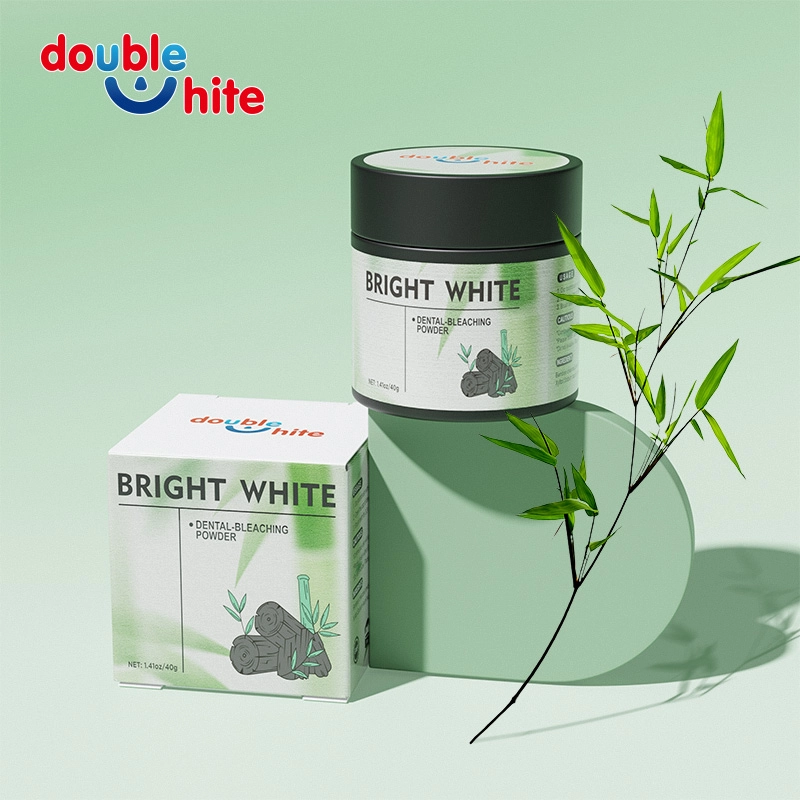
Activated Charcoal Powder Wholesale Factory Price
Our teeth whitening powder is made from 100% natural ingredients. The strong absorption ability of Activated Charcoal functions as teeth whitening, antibacterial, and detoxifying agent.
Send us your inquiry
Reach out to us through the form below or via the contact information provided.
Our dedicated team is committed to providing prompt and personalized responses to all your queries.
Please fill out the fields above with your full name, email address, and comment.


Copyright © 2026 Double White All Rights Reserved. Designed by gooeyun
Whatsapp: +8615920313473
cndoublewhite
Doublewhite
doublewhitecn
cndoublewhite
cndoublewhite